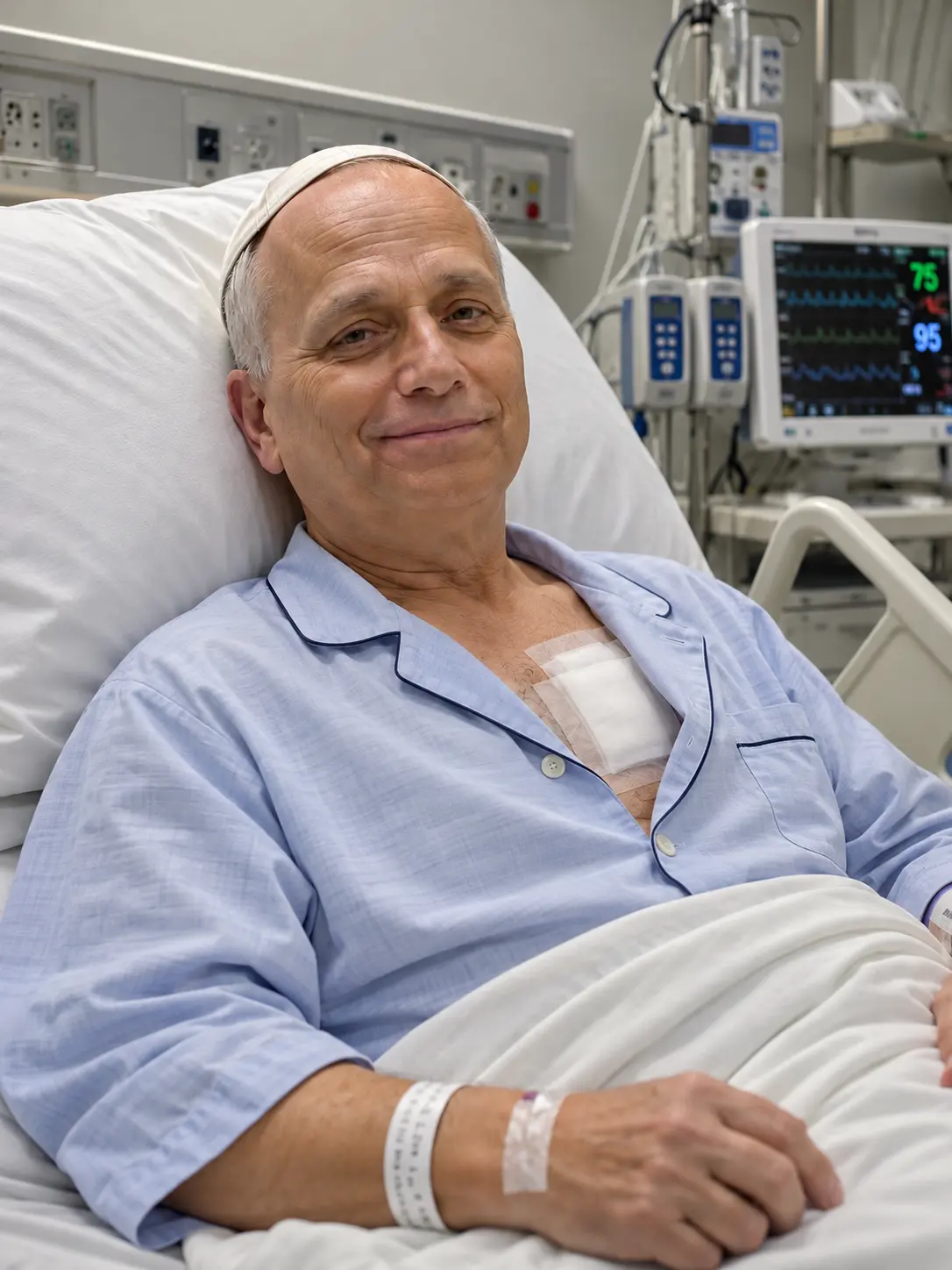
🚨💔 THE WORLD PRAYED IN SILENCE — THEN POPE LEO XIV SPOKE: HIS EMOTIONAL MESSAGE AFTER AN IMAGINED SURGERY LEAVES THE FAITHFUL ASKING ONE HAUNTING QUESTION… 🙏🕊️
VATICAN CITY — In a scenario, an atmosphere of extraordinary emotion surrounds the Vatican as Pope Leo XIV delivers a deeply personal message following an imagined surgical procedure. What begins as a simple expression of gratitude becomes a powerful reflection on suffering, compassion, and the quiet strength people discover during their most vulnerable moments.
Within this dramatized story, the pontiff has spent several days resting under medical supervision after a fictional operation. Visitors gather in St. Peter's Square, offering prayers and messages of encouragement. Meanwhile, members of the Vatican community quietly prepare for a brief statement that will reassure those concerned about his well-being.
No actual surgery, hospitalization, medical diagnosis, or recovery announcement involving Pope Leo XIV is established by this account. The events and quotations below are invented.
Yet within the imagined narrative, something unexpected happens when the Pope finally addresses the faithful.
Instead of concentrating on his own recovery, he begins speaking about people whose suffering often goes unnoticed.
“During moments of weakness, we discover something important about the human heart,” he says in the fictional address. “We learn how deeply we depend upon the kindness of others.”
The gathering falls silent.
Then he shares a question that becomes the emotional center of the story.
“When someone beside us is suffering, do we truly see them?”
THE QUIET DAYS THAT BEGIN THE STORY
Within the fictional narrative, the Vatican experiences several unusually subdued days as the Pope rests following the imagined procedure. Public activities are temporarily reduced, and staff members focus on ensuring that he has the time and privacy needed to recover. No specific illness or medical complication is identified in the story.
Outside the Vatican, visitors continue arriving at St. Peter's Square. Some pause briefly for prayer, while others leave handwritten messages expressing hope and gratitude. The atmosphere is peaceful, marked by quiet conversations and moments of reflection.
Among the fictional visitors is an elderly woman named Maria, who has traveled from a small Italian town with her granddaughter. Maria has spent many years volunteering at a community kitchen and helping families facing hardship. She explains that she wants to pray not only for the Pope but also for everyone experiencing illness or uncertainty.
“We all need kindness when life becomes difficult,” she tells her granddaughter in the invented conversation.
Her words become an important part of the unfolding narrative.
THE LETTER THAT REACHES THE APOSTOLIC PALACE
Within the imagined story, members of the Vatican staff receive numerous letters offering encouragement. Some come from religious communities, while others are written by families, volunteers, and individuals who have experienced difficult periods in their lives. Each message expresses concern in a different way.
One fictional letter comes from a hospital volunteer who describes spending time with patients who rarely receive visitors. The volunteer explains that many people need more than practical assistance. They also need someone willing to listen without rushing away.
The letter includes a simple reflection.
“Sometimes the most meaningful thing we can give another person is the feeling that they have not been forgotten.”
Within the dramatized narrative, this message reaches Pope Leo XIV during his recovery. He reads it carefully and places it beside several other notes. The words inspire him to reflect on the connection between personal vulnerability and compassion for others.
THE FIRST MESSAGE AFTER THE IMAGINED PROCEDURE
As the fictional recovery continues, the Pope prepares a short message for the people who have expressed concern. His aides expect a conventional statement thanking medical professionals and acknowledging the prayers of the faithful. Instead, the imagined text gradually develops into a broader reflection on human suffering.
Within the story, Pope Leo XIV begins by expressing gratitude for the people who have offered assistance. He acknowledges the dedication of caregivers and the importance of patience during difficult moments. His words are calm and reflective.
“There are times when strength does not mean standing alone,” he says in the invented message. “Sometimes strength means accepting the hand that another person offers.”
The fictional statement continues with a reminder that vulnerability is part of the human experience. It encourages people to treat those who are struggling with dignity rather than judgment.
THE QUESTION THAT CHANGES THE ENTIRE MESSAGE
Within the dramatized narrative, the most emotional moment arrives when the Pope turns his attention away from his imagined recovery. He asks the faithful to consider how often they overlook the quiet suffering of others. His message emphasizes that compassion requires attention, patience, and practical action.
“We may pray for someone we have never met,” he says in the fictional address. “But do we also notice the person who is lonely in our own neighborhood?”
He pauses.
“Do we see the elderly person waiting for a visitor, the family struggling in silence, or the child who needs someone to believe in them?”
Within the imagined gathering, listeners become visibly moved.
The message is no longer simply about the Pope's fictional medical experience. It has become an invitation to examine how people respond to suffering around them.
THE DEEPER MEANING BEHIND HIS WORDS
Within this fictional account, the Pope's message explores the idea that difficult experiences can deepen a person's awareness of others. He does not suggest that suffering should be romanticized or that medical care can be replaced by faith. Instead, his imagined reflections emphasize that people facing illness deserve practical support, professional treatment, and compassionate companionship.
The fictional address also acknowledges that gratitude can coexist with uncertainty. A person may appreciate the care they receive while still feeling afraid or overwhelmed. Recognizing those emotions can help others respond with greater understanding.
Within the narrative, the Pope encourages the faithful to transform concern into action. He suggests visiting someone who is lonely, supporting caregivers, or offering assistance to a family experiencing hardship.
The deeper message is simple: compassion becomes meaningful when it moves beyond words.
THE ELDERLY WOMAN WHO BEGINS TO CRY
Within the imagined scene, Maria and her granddaughter listen to the message from St. Peter's Square. As the Pope speaks about people who suffer quietly, Maria remembers individuals she has encountered through her volunteer work. She thinks about elderly neighbors who rarely receive visitors and families who struggle to ask for help.
Her granddaughter notices tears in her eyes.
“Grandmother, are you all right?” she asks in the invented conversation.
Maria smiles.
“Yes, my dear. I was just remembering someone I should visit when we return home.”
Within the dramatized story, the granddaughter takes her hand. The two remain quiet as the message continues, reflecting on the importance of turning compassion into everyday action.
THE UNEXPECTED WORDS ABOUT GRATITUDE
Within the fictional address, Pope Leo XIV returns to the subject of gratitude. He reflects on the imagined medical professionals who cared for him and the people who offered prayers. But rather than concentrating on his own experience, he uses the moment to acknowledge caregivers everywhere.
“There are countless people whose kindness is rarely celebrated,” he says in the invented remarks. “They work through long nights, comfort frightened families, and offer hope when others feel exhausted.”
The fictional message praises the dedication of healthcare workers, family caregivers, and volunteers. It recognizes that their efforts often involve sacrifice and emotional strength. It also reminds listeners that caregivers themselves need support.
Within the imagined gathering, several visitors nod in agreement. Some have experienced the challenges of caring for loved ones and recognize the importance of those words.
THE CHILD'S LETTER THAT INSPIRES A BEAUTIFUL RESPONSE
Within the dramatized narrative, a young child sends a drawing to the Vatican during the Pope's fictional recovery. The picture shows a hospital surrounded by flowers, with people holding hands beneath a bright sun. Across the top, the child has written Nobody Should Feel Alone.
The drawing reaches the Pope alongside other messages of encouragement.
Within the imagined scene, he smiles when he sees it.
“Children often express great truths with very simple words,” he says in the invented conversation.
The child's message becomes a symbol of the larger theme behind the fictional address. It reflects the importance of companionship during moments of vulnerability.
The Pope asks that a note of thanks be sent to the child and family.
THE MOMENT THE VATICAN FALLS SILENT
As the fictional statement approaches its conclusion, Pope Leo XIV speaks about the importance of hope. He acknowledges that people sometimes face situations they cannot fully understand or control. His imagined message encourages patience, solidarity, and respect for those experiencing uncertainty.
“Hope is not the promise that every difficulty will disappear immediately,” he says in the fictional address. “It is the courage to continue loving, helping, and believing that goodness still matters.”
Within the imagined gathering, the words are met with silence.
Then the Pope offers a final reflection.
“If my experience reminds even one person to comfort someone who is suffering, then let that kindness continue beyond this moment.”
The fictional audience responds with gentle applause.
THE REACTION FROM THE FAITHFUL
Within the imagined aftermath, visitors discuss the message as they leave St. Peter's Square. Some reflect on the importance of gratitude, while others focus on the call to recognize people who suffer quietly. The fictional address inspires conversations about volunteer work, caregiving, and community responsibility.
One invented visitor says the message reminds her to check on an elderly neighbor. Another reflects on the dedication of hospital workers. A third expresses appreciation for the idea that compassion should be demonstrated through practical action.
These responses are fictional, not documented reactions to an actual Vatican statement.
Within the narrative, the message resonates because it connects spiritual reflection with everyday responsibilities.
THE PRIVATE MOMENT AFTER THE ADDRESS
Later in the imagined story, Pope Leo XIV returns to a quiet room inside the Apostolic Palace. The fictional statement has been delivered, and the day's activities have concluded. An aide brings him a small collection of messages from visitors who heard his words.
Among them is a note from Maria.
“Thank you for reminding us that prayer and kindness should walk together,” the invented message reads.
The Pope studies the note thoughtfully.
Within the dramatized scene, he asks the aide whether the community organizations represented at the earlier gathering have received the encouragement they need. The aide explains that several volunteers have already begun discussing ways to strengthen their outreach programs.
The Pope smiles.
“Then perhaps the message has begun its work,” he says in the invented conversation.
THE ONE QUESTION THAT REMAINS
Within the fictional narrative, the Pope's emotional message leaves people reflecting on one central question: What does it truly mean to care for someone who is suffering?
The answer is not presented as a hidden medical revelation or a secret announcement about the pontiff's condition. Instead, it emerges through the stories of caregivers, volunteers, families, and ordinary individuals who offer compassion during difficult moments.
The imagined address suggests that care involves more than expressing sympathy. It may require time, patience, practical assistance, and the willingness to listen. It also involves respecting the dignity and privacy of those who are vulnerable.
Within the story, this becomes the deeper meaning of the Pope's words.
THE FINAL MOMENT THAT BRINGS THE STORY FULL CIRCLE
Several days later, within the dramatized account, Maria returns home with her granddaughter. She remembers the fictional message and decides to visit an elderly neighbor who has recently been spending more time alone. She brings a small basket of food and sits with the neighbor for an afternoon conversation.
Her granddaughter accompanies her.
The neighbor is delighted by the unexpected visit.
Within the imagined scene, Maria smiles as she remembers the Pope's question about whether people truly see those who are suffering nearby. She realizes that the answer does not always require a grand gesture. Sometimes it begins with showing up.
As they prepare to leave, the neighbor thanks them.
“You have made today feel much less lonely,” the neighbor says in the invented conversation.
Maria gently squeezes her hand.
A STORY ABOUT FAITH, SUFFERING, AND THE POWER OF COMPASSION
This fictional account imagines Pope Leo XIV reflecting on vulnerability and gratitude after an invented surgical procedure. Its emotional message is not a verified Vatican statement, and its medical events do not describe an established real-world incident. The letters, conversations, visitors, and quotations are created solely for storytelling.
The central theme is the importance of recognizing suffering and responding with meaningful kindness. It emphasizes respect for caregivers, compassion for vulnerable people, and the value of practical support alongside spiritual encouragement.
The deeper meaning is not a hidden warning about the Pope's health. It is a reminder that concern for another person's suffering becomes most powerful when it inspires us to help.
Because sometimes the question that changes our lives isn't “What happened to someone far away?” but “Who needs my kindness right here, today?” 🙏❤️🕊️
👇 𝗥𝗘𝗔𝗗 𝗧𝗛𝗘 𝗙𝗨𝗟𝗟 𝗦𝗧𝗢𝗥𝗬 𝗜𝗡 𝗧𝗛𝗘 𝗙𝗜𝗥𝗦𝗧 𝗖𝗢𝗠𝗠𝗘𝗡𝗧
RELATED PHOTOS